Planning
Project Planning: The Foundation of Successful Projects
In today's fast-paced business environment, successful projects do not happen by chance. They require careful preparation, clear objectives, and effective resource management. This is where project planning plays a critical role. Whether you are managing a small team assignment or a large organizational initiative, a well-structured project plan serves as a roadmap that guides the project from start to finish.
A
Admin User
June 8, 2026 · 29 views
What is Project Planning?
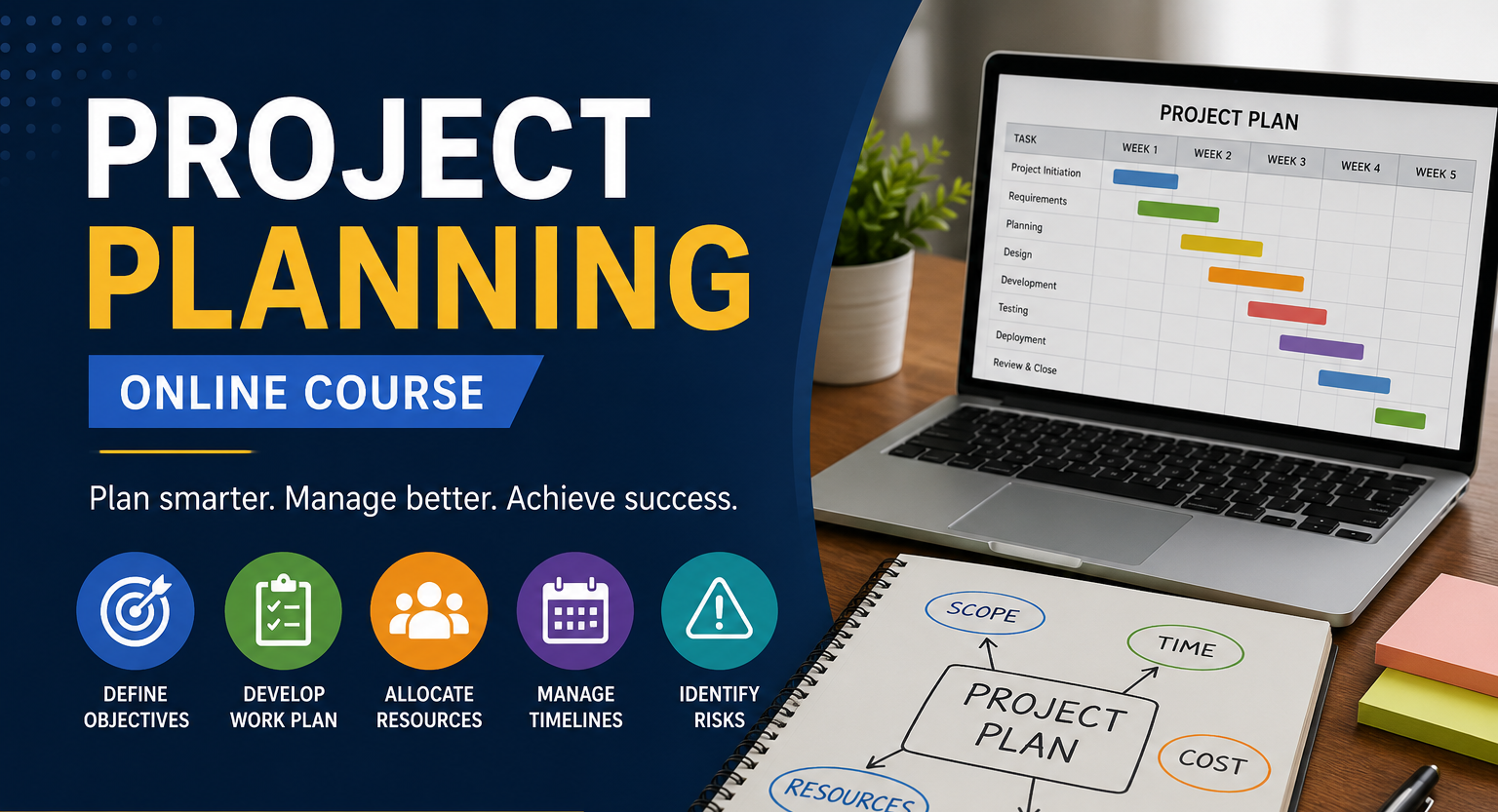
Project planning is the process of defining project goals, determining the tasks required to achieve those goals, allocating resources, setting timelines, and identifying potential risks. It provides a clear framework that helps project teams stay organized, focused, and aligned with project objectives.
A good project plan answers the following questions:
What needs to be accomplished?
Who will be responsible for each task?
When should activities be completed?
What resources are required?
What risks may affect the project?
Why is Project Planning Important?
1. Clear Direction and Objectives
Project planning helps stakeholders understand the project's purpose, scope, and expected outcomes. Clear objectives ensure that everyone works toward the same goals.
2. Efficient Resource Management
By identifying the required resources in advance, organizations can allocate budgets, personnel, and equipment more effectively, reducing waste and improving productivity.
3. Better Time Management
A project schedule helps teams track deadlines and milestones, ensuring that tasks are completed on time and that delays are minimized.
4. Risk Reduction
Planning allows project managers to identify potential challenges before they occur and develop strategies to mitigate risks.
5. Improved Communication
A well-documented project plan promotes transparency and keeps stakeholders informed about progress, responsibilities, and expectations.
Key Steps in Project Planning
Define Project Goals
Establish clear, measurable, and achievable objectives that align with organizational priorities.
Identify Tasks and Activities
Break the project into smaller tasks and determine the sequence of activities required for completion.
Allocate Resources
Assign team members, budget, tools, and materials needed for each activity.
Develop a Timeline
Create a project schedule that includes milestones, deadlines, and deliverables.
Assess Risks
Identify potential obstacles and prepare contingency plans to address them.
Monitor and Review
Regularly track progress and make necessary adjustments to keep the project on course.
Essential Skills for Effective Project Planning
Successful project planners possess several important skills, including:
Strategic thinking
Time management
Communication
Problem-solving
Risk management
Leadership
Budget planning
These skills help ensure that projects are completed efficiently and deliver the expected results.
Conclusion
Project planning is the cornerstone of successful project management. It provides structure, clarity, and direction while helping organizations manage resources, control risks, and achieve objectives. Investing time in proper planning can significantly increase the likelihood of project success and improve overall organizational performance.
By mastering project planning techniques, professionals can enhance their ability to lead projects effectively and deliver valuable outcomes for their organizations.
A
Admin User
BLA Faculty Member